
How Search Engines Work: Simplest Breakdown From Crawling to Ranking
Table of Contents
ToggleSummary
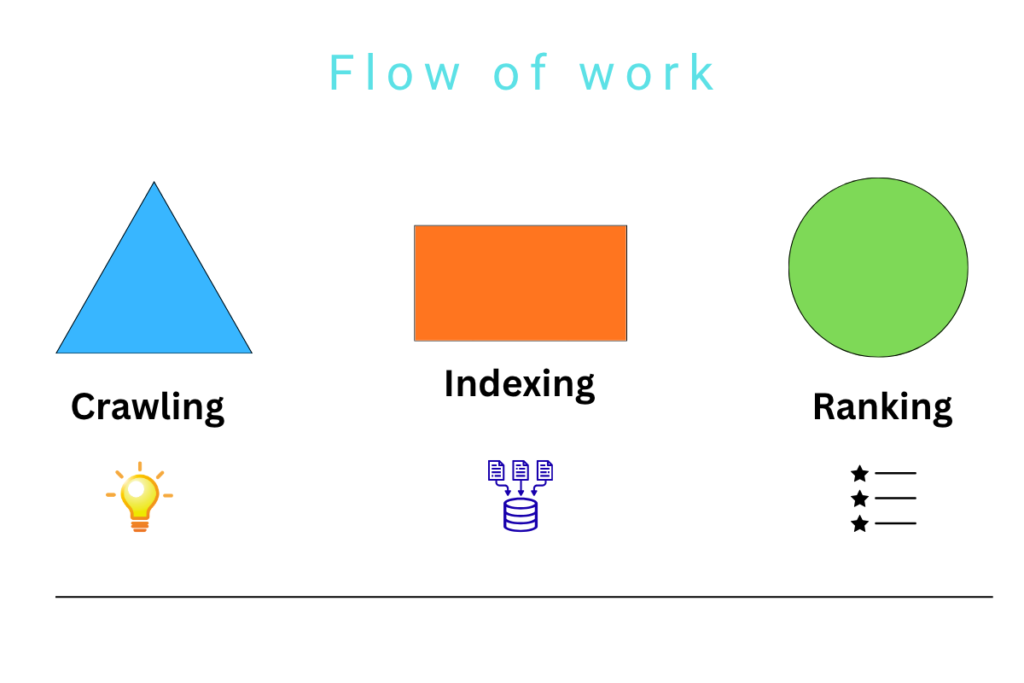
Search engine working process involves three main steps:
Crawling: Bots discover and scan the content using sitemaps or by getting URLs from submissions.
Indexing: Webpages get understood, organised and stored in the database of the search engine.
Ranking: On the basis of hundreds of quality signals, the search engine orders the relevant webpages for a specific query.
For SEO, you should ensure your important pages are:
Crawled by search engines.
Should contain helpful and unique content to get indexed.
Trust and authority to get ranked in search results
By learning the working of search engines, you can understand how things work behind your digital screen and optimise your content accordingly.
Check out these articles that every SEO professional should read:
“What is SEO. Challenges, factors affecting ranking and more“
“How to do Keyword Research“
Introduction
Have you ever been curious about the working of search engines?
There are so many things going on behind the scenes to answer your questions in seconds, which makes it more complicated to think about.
Now, since we’re studying SEO, it’s important for us to understand how search engines work and use all this data to provide accurate answers.
Before it, let’s understand what a search engine is.
A search engine is a service that shows us links to numerous web pages based on the query and for this you need a browser. Without browser, you cannot get website links from the search engine.
Examples of search engines are: Google, Yahoo, Bing, Baidu, etc.
In this article, we will mainly focus on the 3 Steps of working.
- Crawling
- Indexing
- Ranking
Each step is necessary for the other one to complete.
“This article is part of our SEO for Beginners guide“. Check out…
Step 1: Crawling – What is crawling in a search engine working?
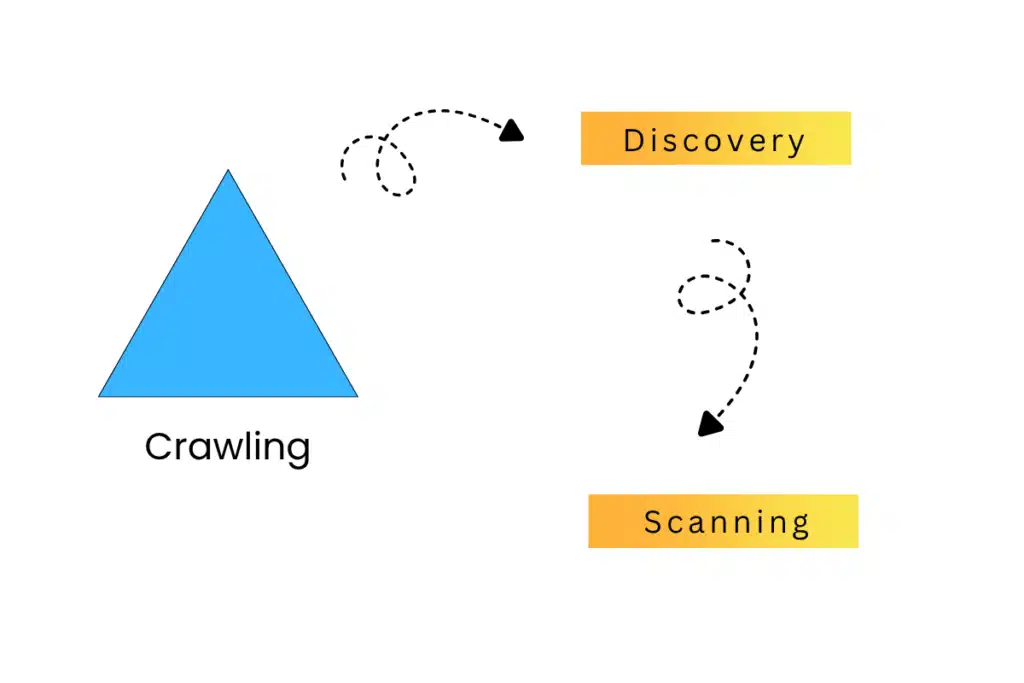
Crawling is a process of discovering and downloading the content present in your webpages. Search engines have automated systems assigned to do a particular task called crawlers or bots.
They visit webpages and scan everything present on the page.
How Crawling works.
Crawlers find pages mainly through:
- XML sitemaps that contain all important URLs of your website.
Following Internal and External links from one page to another.
- Tools like Google Search Console where you submitted the URLs.
What a crawler does while visiting a page:
- Scans and downloads the HTML, Text, media, and metadata from the page.
- Extracts all the links from the webpage for future crawling.
- Reschedules for the next visit to see updates or changes in the webpage.
What Affects Crawling?
Factors that affect crawling include:
- Robots.txt file
This file contains clear instructions to crawl or not crawl the particular link. Links under the disallow rule can block the crawler from accessing the particular file. - Quality of Content
A fresh and high quality website always gets a better response on crawling. - Server
A slow or down server can directly affect the crawling. - Site Structure
A clear navigation and linking make it easier for crawlers to reach all the pages. - Crawl Budget
It is mainly for large websites having millions of pages, where search engines limit no of pages crawled in a specific period of time.
So if you are facing a problem in crawling, check first if it is blocked by a disallow rule or has another issue.
Step 2: Indexing – How Search Engines Sort and store the pages.
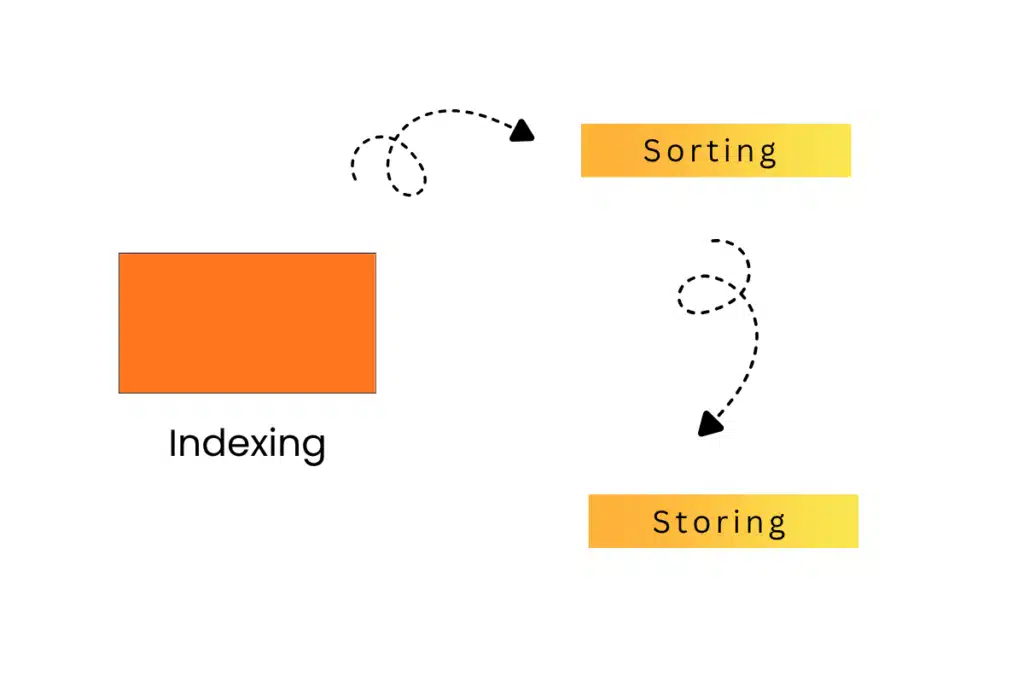
After crawling, the search engine works on indexing. If it finds the webpage relevant, then it starts storing the information of the crawled page to show in search results whenever someone search for it.
How Indexing works?
During indexing, the indexer of the search engine:
- Provides a category to the pages by analysing and understanding the concepts through text content, headings, and metadata.
- Extracts and saves links for further use.
- Checks for basic quality signals like thin content or spammy patterns.
- After analysing everything, it stores the information in its large server in a particular category to retrieve it quickly for searches.
What affect indexing?
Factors that affect the indexing are:
- The page has duplicate and irrelevant content.
- It has broken links or low loading speed.
- It is blocked by robot.txt file rules or has noindex tag.
- It has similar kind of content that exists in your already indexed page.
Note: It is a crucial step to appear in search results; if the page is crawled, then it has to get pass through the indexing phase.
Step 3: Ranking – How Search Engine decides on pages to appear.
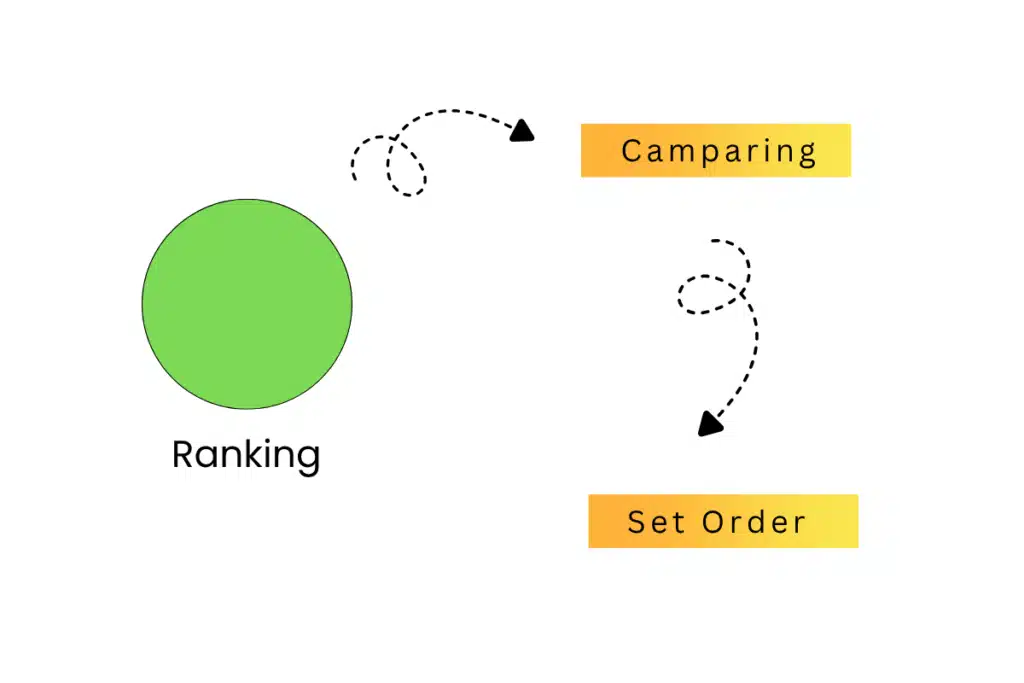
Ranking is the last phase of a search engine’s working. Whenever a user searches a query, the search engine starts looking for the relevant pages in its database of millions of webpages and decides the order of pages for that specific search.
How the whole process of Ranking Works
- Understanding Query of user
Search engine try to understand the words used in the query and look for the intent, like why the user is searching ( for getting information, for navigation and for transaction).
By using its language model, the search engine tries to understand the meaning of the query to get the right results. - Finding the right pages for the query
After understanding the meaning of the words, the search engine finds the indexed pages related to that query by matching targeted keywords, headings, and content. Scoring and Ranking
Each selected page is scored on the basis of content quality and relevancy.
Search engine look for the quality factors that affect the ranking, like
Trustworthiness, good quality backlinks, site reputation, site speed, mobile friendliness, and safe browsing.
Along with this, it also checks for the freshness of the topic and further reorders them. At last, it shows links of webpages that are most likely to fit and are able to provide the right things to the user.
Why is it important for SEO professionals to know?
Everyone wants their webpages to appear in search results, and sometimes we get a lot of problems or errors on the webpages, so to resolve them or to make better decisions, you need to know about the workings of search engines.
- If pages are not crawled, you can check your sitemaps and robots.txt file.
- If pages are not indexed, you can create high quality and updated content; along with this, you can check for the noindex tag.
- If your pages are not ranking, you should work on uniqueness, building authority, and site performance.
SEO mainly focuses on these 3 steps to get organic results.
Common Misunderstandings about search engine.
Creating a page and it will rank automatically.
No, a webpage must go through crawling and indexing to get ranked by search engine.
Ranking is only about keywords.
Yes, right keywords matter, but it is not that simple; search engines also look for quality, intent, site performance and user experience. So keyword stuffing does not work well today.
Once I rank, it is permanent.
No, ranking is something that keeps changing as the competition increases, your content gets older, algorithm updates and user behaviour shifts. So SEO is not a one time things it needs constant effort to stay in the ranking.
FAQ
What is the main difference between crawling and indexing?
Crawling is the process of finding and scanning the webpages, while indexing is to organise and storing the webpages in the database of a search engine.
How often do search engines recrawl and re-rank the webpages?
It depends on how frequently you update your webpages and also on the popularity of your site. Ranking is something that keeps changing with the trend of content and algorithm.
Can a page be crawled but not indexed?
Yes, a page can be crawled but not indexed by the search engine, as crawling is the initial part where your webpage get scanned by bots, but to get indexed, you have to ensure that there is no noindex tag in your page and have high quality content.
How do search engines decide which webpage ranks first?
Search engine have quick and complex quality standards, which we call signals, and on the basis of these signals like: quality, intent, authority, and site performance, it decides the scoring and ranking by comparing all indexed pages for a particular query.
Pingback: How To Do Keyword Research For Beginners As A Beginner